Brewing Community: How Steam and Story Cafe Becomes Your Third Place
“Third place” is a term coined by sociologist Ray Oldenburg to describe spaces that are neither home nor work, but feel like an anchor in our social lives. These are the spots where you unwind, connect, and belong simply by showing up: the neighborhood bar, the corner diner, the park bench that somehow always has familiar faces.
Steam and Story Cafe aspires to be that place for its guests. Not just a stop for caffeine, and not just somewhere to open a laptop, but a lived-in, evolving community hub. What makes a cafe cross that line from “nice venue” to “true third place”? It’s not only the coffee or the interior design—it’s the convergence of people, rituals, and stories.
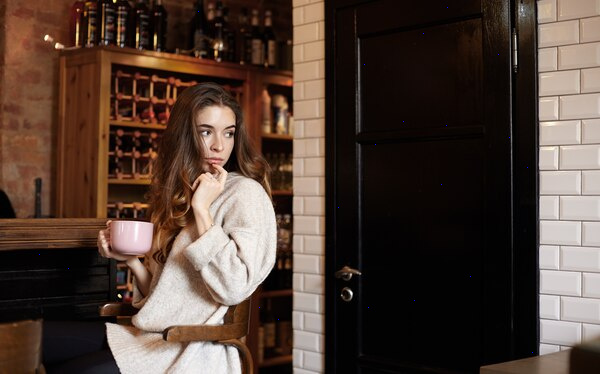
Below is how a space like Steam and Story can intentionally brew community, and how guests become more than customers—they become co-authors of the cafe’s ongoing narrative.
From Transaction to Connection
Many cafes are built around speed: place your order, wait for your name, leave with a lid and a logo. A third place operates differently. The coffee is still important, but connection is the core product.
At Steam and Story, this can show up in subtle but powerful ways:
- Baristas who recognize your rhythm. Remembering your usual drink, asking about your exam, your new job, or the last book you mentioned. It’s the movement from “What can I get you?” to “How are you today?”
- Design that invites lingering, not rushing. Power outlets at long tables, softer lighting in corners, stools at the bar for conversation instead of quick turnover.
- Visible cues that people stay. Board games stacked on a shelf, dog-eared magazines, a community board full of flyers—signals that tell newcomers, “You’re allowed to settle in.”
The essence is that you don’t feel like you’re in someone else’s business; you feel like you’re in a shared, social living room that just happens to serve excellent coffee.
The Story in “Steam and Story”
The word “story” in the cafe’s name is more than branding—it suggests a different way of thinking about what happens inside.
Story as atmosphere
Stories live in the details: handwritten signs instead of generic prints, a rotating wall of local art, quotes or short passages near the counter, a “staff picks” corner with books and zines. Even the menu can tell a story: drinks named after novels, places, or local inside jokes.
Guests feel, even without being told, that someone has thought about the narrative of the space. The cafe isn’t anonymous; it has a personality.
Story as participation
A true third place doesn’t merely present stories—it collects them. Steam and Story can encourage this in small, accessible ways:
- A “leave a note” box or journal by the door where people write advice, confessions, or tiny triumphs.
- Prompt cards on tables: “What’s the best thing that happened to you this week?” or “Recommend a book in one sentence.”
- A community corkboard where customers can post creative works, event flyers, or requests (“Looking for a chess partner”).
The effect is cumulative. Over time, the cafe becomes a living archive of the people who pass through it.
Regulars: The Beating Heart of a Third Place
Every third place has regulars—people who seem to come with the furniture—but in a healthy community, they don’t gatekeep. They welcome.
Steam and Story can intentionally nurture this dynamic:
- Make regulars visible, not dominant. A “Meet our regulars” mini-board with portraits and three fun facts. This quietly says, “You could be up here, too.”
- Let regulars co-create rituals. Maybe there’s a morning crossword group, a weekly “silent reading hour,” or a Friday afternoon open playlist where guests add songs to a communal queue.
- Train staff to “bridge,” not just serve. A barista who casually says, “You both work in design, right?” or “You’re both reading sci-fi today” becomes a human connector, building micro-communities within the cafe.
When regulars become informal hosts rather than mere repeat customers, the cafe evolves into a place where walking in twice is enough to feel remembered.
Designing for Comfort and Belonging
The physical environment of a cafe shapes how people behave inside it. For a third place, design must serve conversation, comfort, and diversity of use.
Key elements include:
- A mix of seating types. Communal tables for group work, cozy armchairs for solo reading, window seats for quiet people-watching, bar seating for those who want to chat with staff.
- Acoustic balance. Music that’s warm and present but not overpowering; rugs or textiles that soften noise so multiple conversations can coexist without becoming a roar.
- Visible hospitality. Water available for free, clear signage to restrooms, a non-judgmental policy toward people who simply sit with a book for a while.
- Inclusive design. Accessible entrances, enough space between tables for wheelchairs or strollers, menu options for different dietary needs, visible cues that everyone, regardless of age, background, or identity, is welcome.
Comfort here is more than physical; it’s emotional. You should be able to show up alone and not feel alone.
Events That Build Community, Not Just Foot Traffic
Programming can transform an ordinary cafe into a vibrant cultural node—but only if events deepen connection rather than merely filling the calendar.
Steam and Story can emphasize:
- Recurring, low-stakes gatherings. A weekly book club, a monthly “story swap” night where people share 5-minute true stories, a Tuesday board game night. Regularity helps shy newcomers try “just once,” then return.
- Local talent as protagonists. Open mic nights for poets, musicians, and storytellers from the neighborhood; rotating spotlights on local authors, bakers, photographers.
- Intergenerational and cross-cultural mixing. Afternoon events accessible to older residents, weekend activities where parents and kids can join, and programs that highlight diverse traditions and voices.
- Skill-sharing sessions. A “Teach & Sip” series where customers lead short workshops—journaling, basic coding, knitting, language exchanges. The message: you’re not just a consumer here; you’re a contributor.
Each event isn’t just something to attend; it’s another chapter in the shared story of the space.
Digital Community That Enhances, Not Replaces, the Cafe
In an age of social media, a third place doesn’t stop at its walls. But the digital layer should amplify real-world connection, not substitute for it.
For Steam and Story, this might mean:
- Showcasing the people, not just the products. Photos of regulars (with permission), snippets from the note jar, a “quote of the week” overheard at the cafe.
- Announcing and recapping events. Sharing highlights and photos that help newcomers feel like they already know the tone and crowd before they come.
- Subtle invitations. Prompts like “What are you reading this week?” or “Share your Steam and Story ritual” create threads where online interaction folds back into in-person visits.
Done well, the digital presence becomes the cafe’s extended living room—available to check in on even when you’re not physically there.
Why Third Places Matter Right Now
In a world where more people work remotely, move frequently, and socialize through screens, third places fulfill a deep human need:
- Anchoring in transient lives. When your job, city, or apartment changes, a familiar cafe can be a thread of continuity.
- Serendipitous connection. You didn’t schedule a call or swipe right—but you still overheard a conversation, met a neighbor, or discovered a new idea.
- Gentle social re-entry. For those feeling lonely or socially anxious, a cafe is a way to be around others without any pressure to perform. You can simply exist alongside people, which is often the first step toward belonging.
Steam and Story, by leaning into its role as a third place, becomes more than a business—it becomes local infrastructure for well-being.
Becoming Part of the Story
What ultimately turns Steam and Story from “a nice cafe” into “my third place” is not a grand gesture; it’s repetition and recognition. You come back. You’re seen. Your absence would be noticed.
If you walk into a space like this, you can accelerate that transformation for yourself:
- Sit at the same table a few times.
- Learn a barista’s name and use it.
- Put a note in the jar, attend one event, or recommend a book for the shelf.
- Bring a friend and introduce them to someone you’ve met there.
Third places don’t exist just because someone designed them. They exist because people inhabit them—day after day, coffee after coffee, story after story.
Steam and Story Cafe becomes your third place at the moment you recognize that you’re not just passing through its story. You’re helping write it.